What to plant and do in the Melbourne garden this month
Yes, the days are getting shorter. Yes, the first frosts may soon be here. But don’t simply run around shouting “winter is coming!” April is still peak harvest season! And it’s also time to make sure that in a couple of months you don’t look out onto a backyard of ‘white walkers’ and despair, but instead see a lush array of delicious winter veggies. Which, incidentally, will also provide adequate nutrition should any supernatural ice creatures threaten your suburban idyll.
What to plant
- Veggies: The colder, wetter months in Melbourne are a great time to grow veggies, and now is an excellent time to plant! Consider cabbage, asian greens like mizuna, tatsoi or pak choi, lettuce, rocket, spinach, carrots, celery, cauliflower, spring onions, leek, onions, radish, turnips and swedes. And don’t forget some legumes for protein for you, and valuable nitrogen for your soil: now’s the time to plant peas of all varieties and the much maligned but actually very delicious fresh, broad beans. It’s also time to put in your garlic and shallots. Just don’t put them next to those broad beans and peas — as the onion family and legumes do not get long. (It’s an old but petty feud; the details aren’t worth going into here.) The beautiful, but dreaded enemy of the human species, the cabbage white butterfly is slowing down with the colder weather — but your brassica seedlings are not safe yet! Look for the tiny yellow football-shaped eggs on the underside of the leaves and simply rub them off every few days. Consider tempting slugs and snails away from your seedlings with a little bit of beer in a bowl. (They have a drinking problem.)
- Herbs: Get some parsley in, one of the most hardy, productive, delicious and healthy herbs there is. Also try some rosemary, oregano, thyme and if you’ve got a corner of the garden where it won’t go wandering into your veggie patch, some mint.
- Companions and flowers: Add some colour to your garden bed and salad, attract beneficial insects, and suppress disease with some flowering plants. Some multipurpose flowers (most, not all, edible!) include cornflower, calendula, pansies, viola, nasturtium, yarrow, daisies including feverfew and chamomile, and marigolds.
- Green manures: Even if you’re not going to grow anything over winter to eat, you can grow some soil improving crops which you can dig back in or mulch with come spring. If your soil has been a little overworked, it will love you for it! It’s like taking your soil on vacation. At this time of year try broad beans (buy them in bulk as fava beans from Middle Eastern groceries), field peas, oats and wheat.
Fruit trees
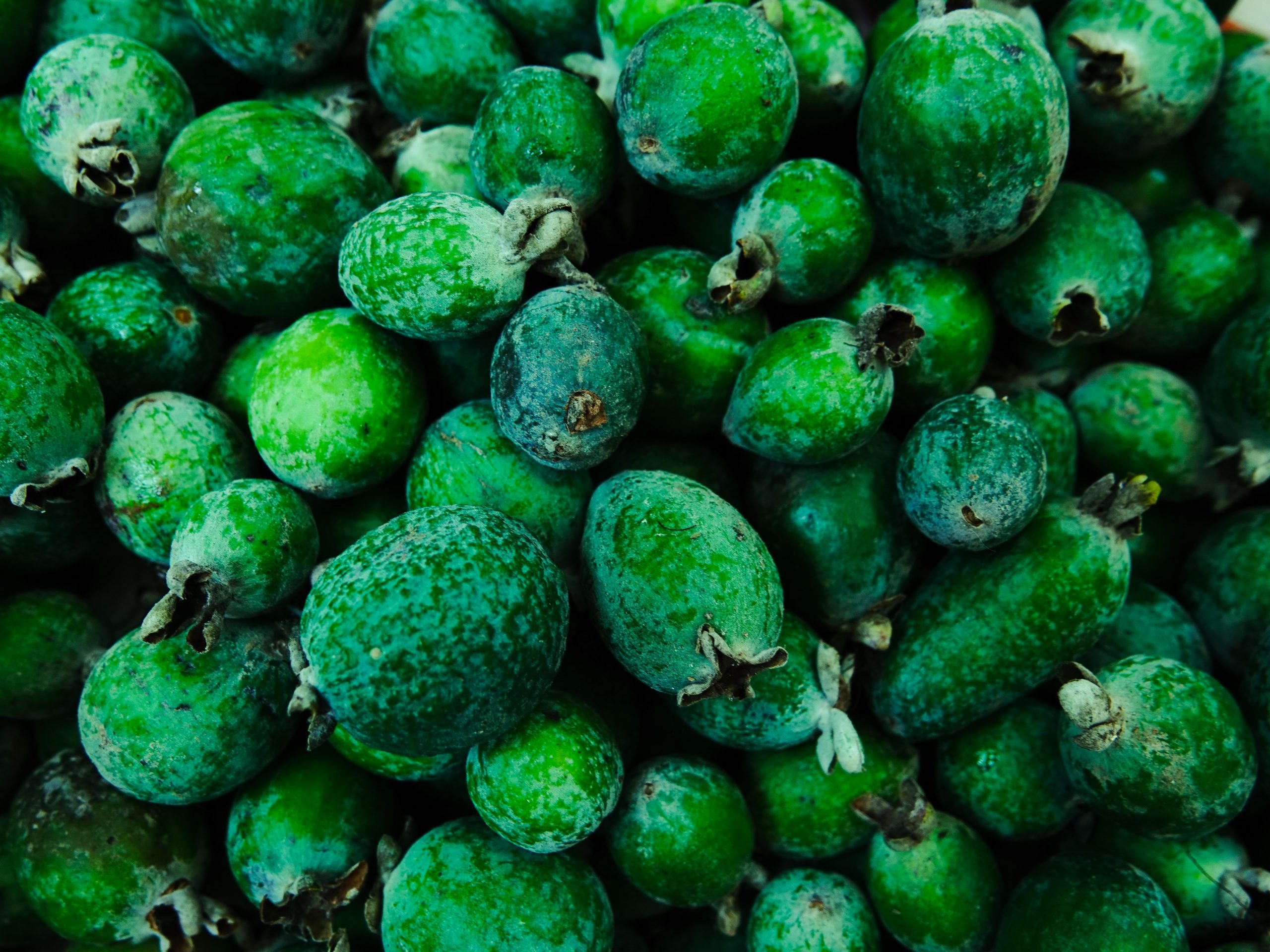
You may be still bringing in the apples, pears and the odd fig, and this month will bring the first pomegranates, persimmons and feijoas. If you haven’t given your mature fruit trees a ‘late summer’ prune, now would be the time!
Fertilising, mulching and watering
If you’ve been growing summer veggies, it’s now about time for “out with the old, and in with the new”. The changing of the seasons is the best time to add new mulch, fertilise and build up organic matter in your soil with compost.
- Now’s the time to begin pulling out the defeated of the summer veggies. Eggplants, basil and capsicum may be hanging in there, but maybe some of your other veggies are well past their prime (green tomato chutney anyone?) When you pull out the veggies — and weeds in between — don’t let those wonderful nutrients leave your system. The compost will gladly eat them up and turn them into great soil. If you’re pulling up diseased plants, you’d ideally build a hot compost to make sure the disease causing organisms are mercilessly cooked. Try to pull your weeds out before they go to seed, but if they have gone to seed, a hot compost will take care of them too! See our page on compost for more.
- Some of last season’s plants might be able to stay right where they are to form a mulch for the next season. Or you may get your hands on some autumn leaves — now is the time to start foraging for your year’s supply. Whatever it is — mulch! It protects the soil from the elements and breaks down to fertilise your plants. It’s like a blanket for the soil too, so in the depths of winter nights it won’t get so cold, and the plants can keep growing. About 3-5cm is a good amount for most mulches. Make sure to pull it away from the trunks of plants and small seedlings to keep them dry.
- There’s no longer as much need to water as much as in summer. If you’re using an automated tap timer, consider turning the tap off after rain, and turning it back on in dry spells.
Foraging
- April is when the wild and wonderful edible weeds begin a flush of nutritious growth. Get a copy of Adam and Annie’s Weed Forager’s Handbook or come along to one of Adam’s Edible Weed Walks.
- It’s also time to look out for edible mushrooms! But you better know what you’re doing because amongst the gastronomically inclined fungi there are many with very toxic intentions. Maybe check out one of Alison Pouliot’s great workshops.
Feijoa fruit image by Elena G